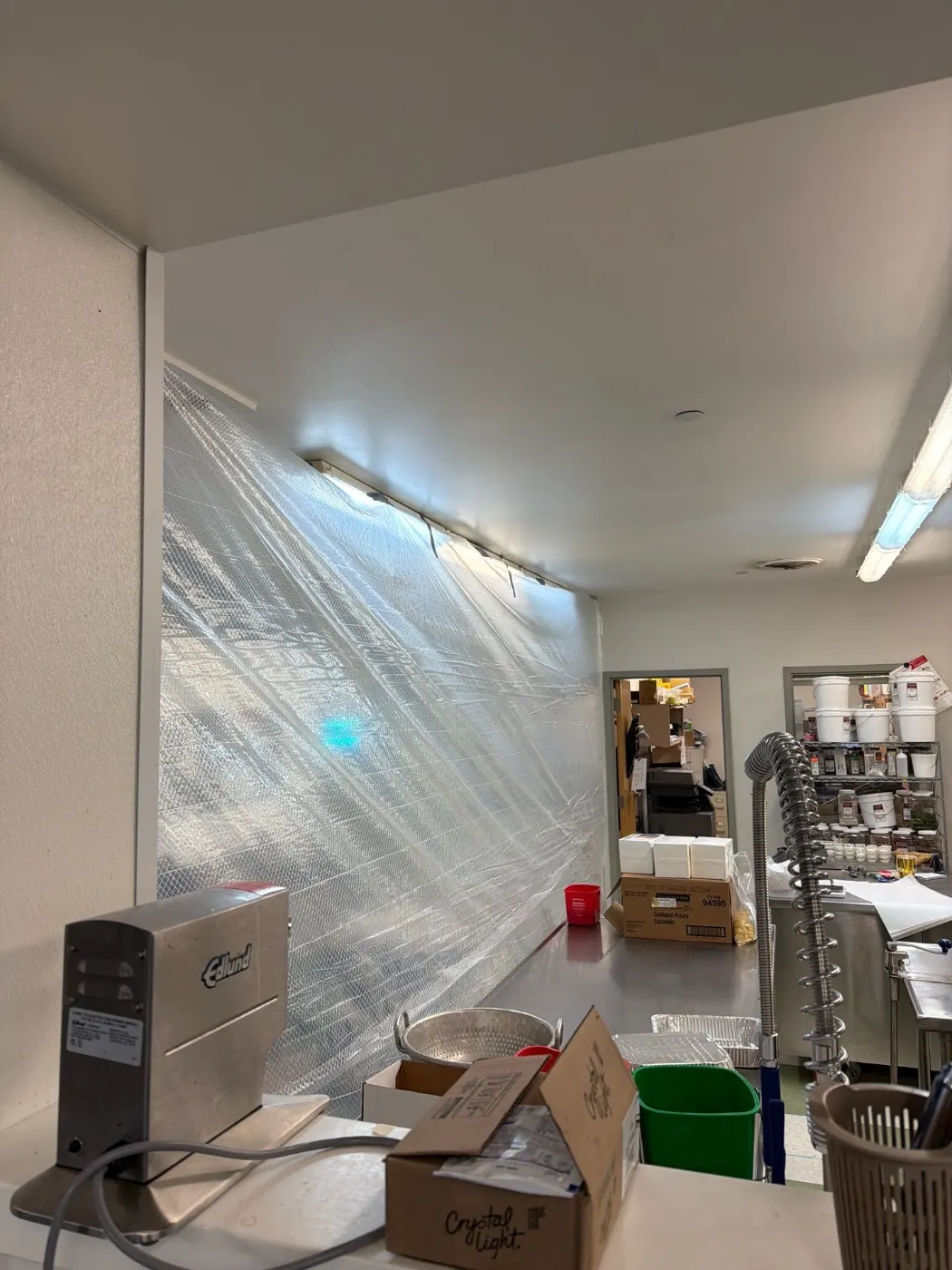
Commercial Flood Damage Cleanup in Seymour, IN
Whole floor plates dried to measured readings, with commercial flood cleanup in Seymour running from pumping through rebuild.
Commercial Flood Damage Cleanup in Seymour, IN starts with one call to Seymour Water Restoration: live 24/7 dispatch, IICRC certified response, and honest written scopes before work begins. Call (812) 515-1567.
- Service: Commercial Flood Damage Cleanup for Seymour homeowners
- Service area: Seymour, IN and surrounding areas
- Response time: Around the clock dispatch; Seymour emergencies move to the front of the line
- Licensed and insured (License #RC21100059)
- Serving Seymour, IN since 2018
Commercial Flood Cleanup in Seymour
When floodwater reaches a commercial building in Seymour, we'll pump it out and dry the structure section by section.
Flood Exposure Here
Flood risk here runs highest for sites close to the White River and the East Fork White River. Your building's own flood exposure gets mapped when we walk the site with your facilities contact.
Our flood crews work commercial sites throughout Seymour, including the blocks around Seymour High School. We also handle commercial flood cleanup in Austin, Scottsburg, Columbus and North Vernon.
Commercial Flood Damage Cleanup for Seymour Businesses
Floodwater leaves a layer behind when it drops. Silt works into carpet tile seams and trench drains, and the film it leaves on the slab holds moisture long after the standing water is gone. Seymour Water Restoration removes mud and silt from commercial buildings in Seymour before drying equipment goes in, since equipment can't dry what's buried under it.
A multitenant building in Seymour needs a moisture record for each suite, and Seymour Water Restoration keeps one. Readings, photos and equipment time get tracked by space, so each occupant's file stands on its own and costs can be split the way the leases require. Common areas and the roof get their own lines too, so ownership sees the whole picture.
Doors and casework get sorted by what they're made of. Solid wood and metal components that read dry after cleaning can often stay in service, while particleboard and laminate cabinets that swelled in the water usually come out. Each piece is photographed before it moves and marked on a floor plan, and the decision goes in the Seymour file.
Mitigation and reconstruction are two scopes in one file. The mitigation side covers pumping, extraction, drying, removal, and disposal, priced and documented while the equipment runs. The reconstruction side covers putting the building back, priced from measured quantities once the affected area is known. Keeping them separate and in order makes the file easy to follow, and Seymour Water Restoration documents both.
Whatever put the water in your building, storm runoff, a mainline break, a fire suppression discharge, or a failed supply line, the response is the same and it starts with volume. Seymour Water Restoration dispatches commercial pumps and extraction to Seymour within two hours of your call, then dries to measured readings and documents every step. Call and talk to someone who's scoped buildings this size before.
Signs You Need Commercial Flood Damage Cleanup
If you notice any of these in your Seymour building, schedule a free inspection before the issue worsens.
A musty or sour smell strongest at return air grilles or when the air handlers first start up
Standing water in an underground parking level with an oily film on the surface
Pallet bottoms dark and soft, with cardboard cases on the lowest layer collapsing under weight
Dock seals and door thresholds showing silt or a waterline after a heavy rain
Sump pit overflowing, or a sump pump that quit during the storm
A discharged sprinkler head with ceiling tiles collapsed or sagging in the grid below it
Floor drains backing up or holding water long after the last discharge into them
Standing water visible across more than one bay or section of a warehouse or retail floor
White powdery efflorescence appearing on block or poured concrete walls on a below grade level
A dark tide line on drywall or wall base running along a corridor at a consistent height
How Seymour Water Restoration Handles Commercial Flood Damage Cleanup
We follow these steps in order on every Seymour job.
Two Hour Dispatch
Seymour Water Restoration dispatches a commercial crew to the property within two hours of the call, day or night. The truck arrives loaded with submersible and trash pumps, truck mounted extraction, dehumidification, air movers, moisture instruments, and containment material for the square footage reported on the phone.
Source and Contamination Check
The crew records where the water came from and what it crossed, and photographs the entry point. Floodwater and sewer backups get containment with HEPA filtered negative air before anything else, and every load of soaked material that leaves gets documented.
Removing Soaked Materials
Porous materials soaked by floodwater, such as carpet and drywall, come out to the height the readings call for and get bagged where they fall. Each area is photographed before and after, and quantities go in the log.
Slab and Concrete Drying
Concrete and masonry hold bound water long after the surface feels dry. In situ relative humidity probes and surface readings taken from the same marked locations daily show what the slab is doing, which is what decides when flooring can go back down over it.
Closeout File and Repair List
You receive the photographs, readings, equipment logs and disposal records in one file, along with a list of what was removed room by room. The people doing the repairs can scope from that list.
Commercial Flood Damage Cleanup in Seymour
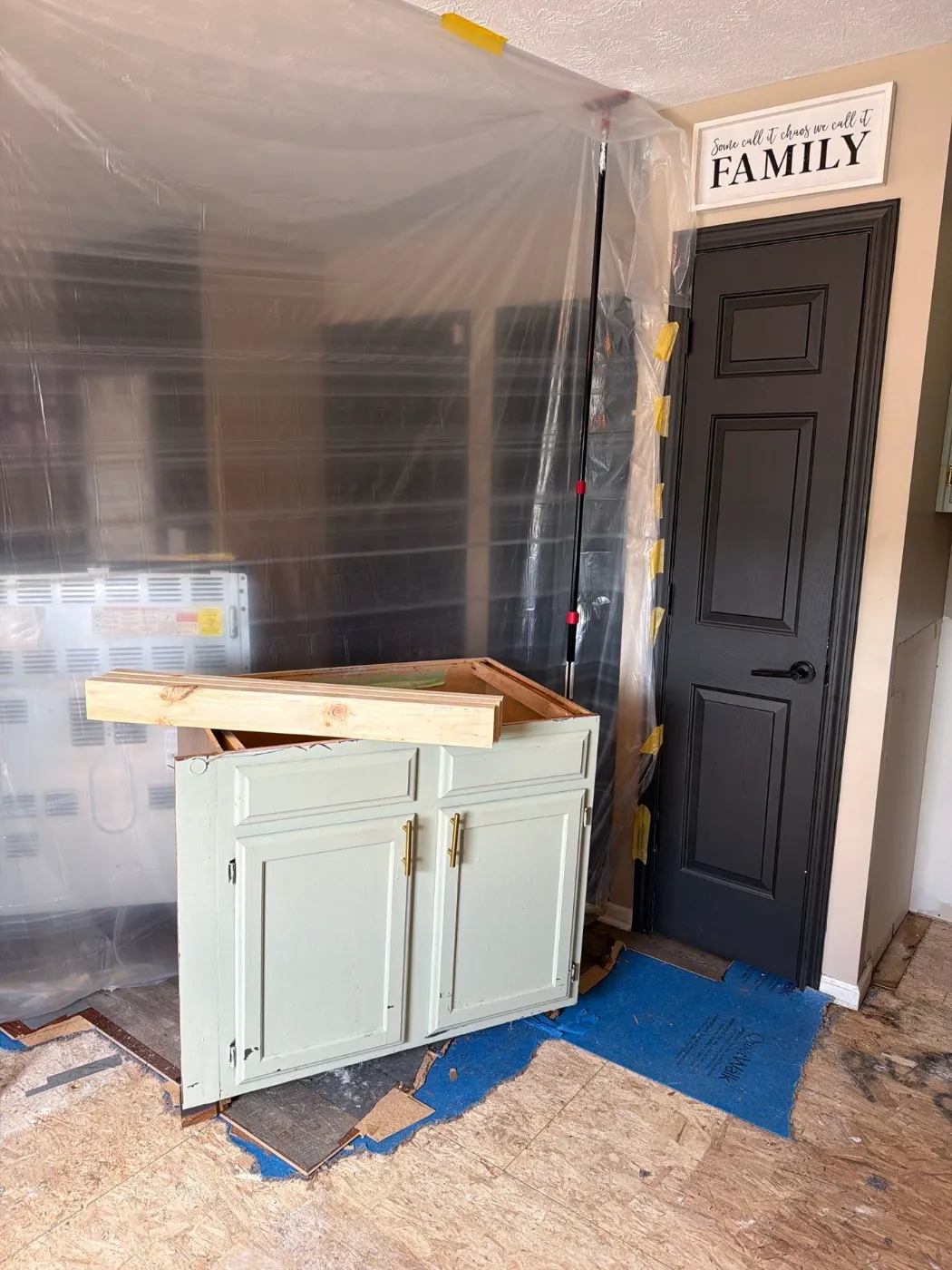
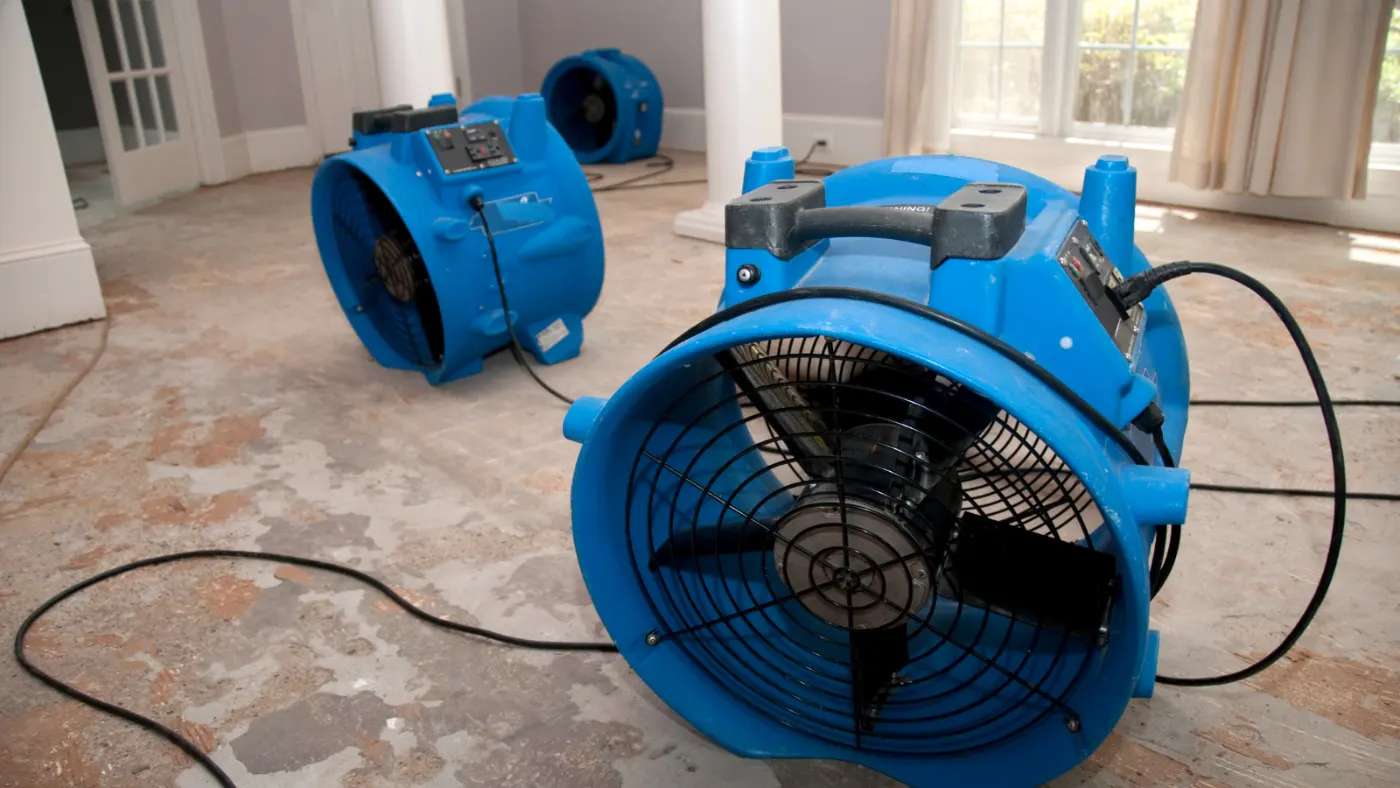
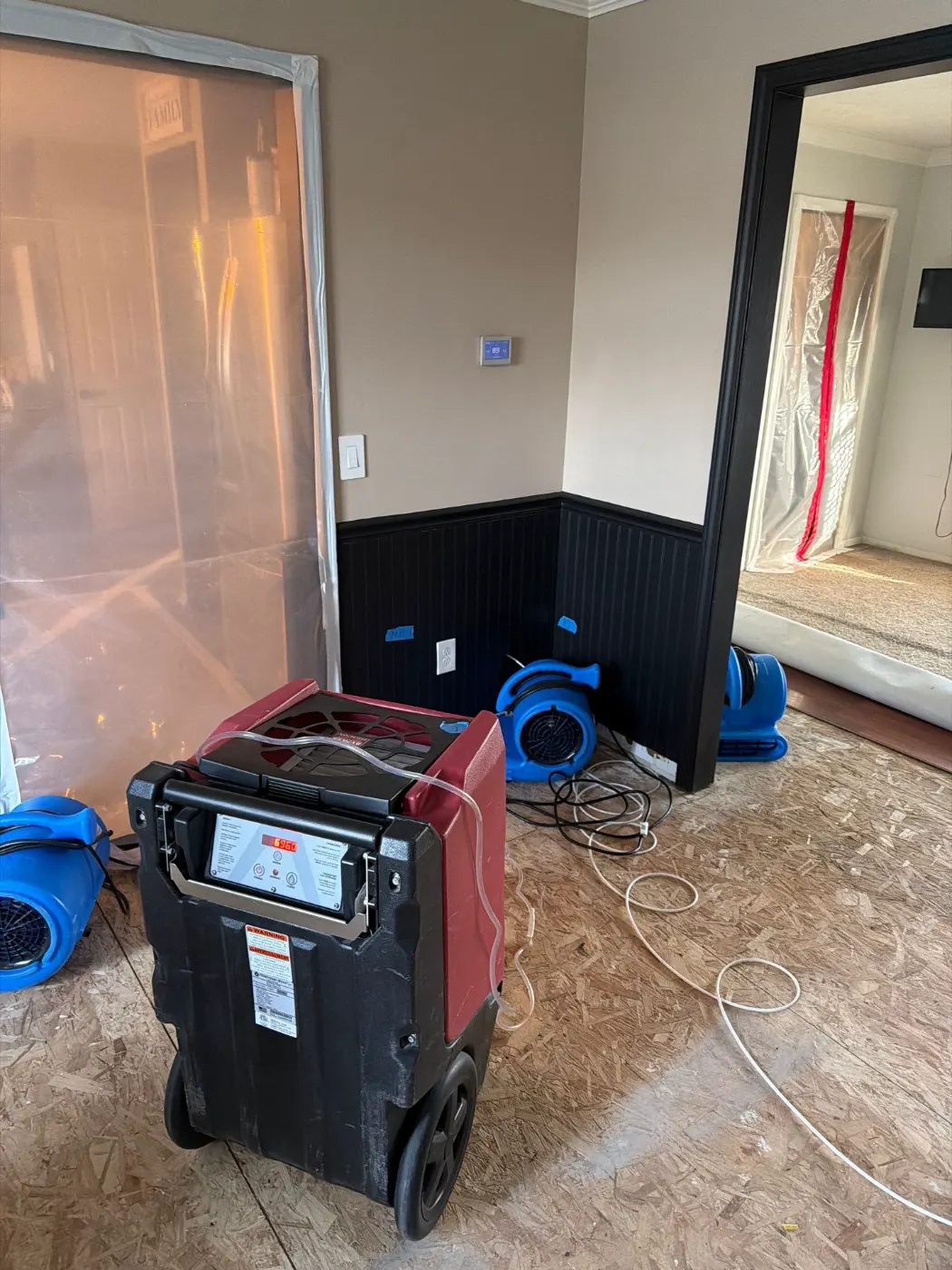
Photographs from real commercial flood damage cleanup jobs completed by our crew in Seymour and surrounding areas.

Commercial Flood Damage Cleanup FAQ
Questions Seymour property managers ask us about commercial flood damage cleanup.
Guidance and Standards for Commercial Flood Damage Cleanup
- The ANSI/IICRC S500 is the published standard for professional water damage restoration. The current edition is the Fifth Edition, 2021. IICRC S500 Standard
- EPA advises drying water damaged areas and items within 24 to 48 hours to prevent mold growth. EPA: A Brief Guide to Mold, Moisture and Your Home
Seymour Neighborhoods We Serve
We take commercial flood damage cleanup calls in every part of Seymour. Pick your neighborhood for local details.
Other Restoration Services in Seymour
Seymour Water Restoration handles the full scope of restoration work. Explore our other services below.
Water Damage Restoration in Seymour
24/7 emergency response. IICRC certified water restoration from extraction to full dry out.
Learn more →Basement Flooding in Seymour
Basement water emergencies handled fast. Extraction, drying, mold prevention.
Learn more →Sewage Cleanup in Seymour
Category 3 biohazard cleanup. Full containment, decontamination, structural restoration.
Learn more →Request Commercial Flood Damage Cleanup
Reach Us Directly
Our team is available 24/7 for emergencies and ready to schedule inspections during business hours.
Need Immediate Help?
For active water or mold emergencies, call us directly. We are available 24/7.