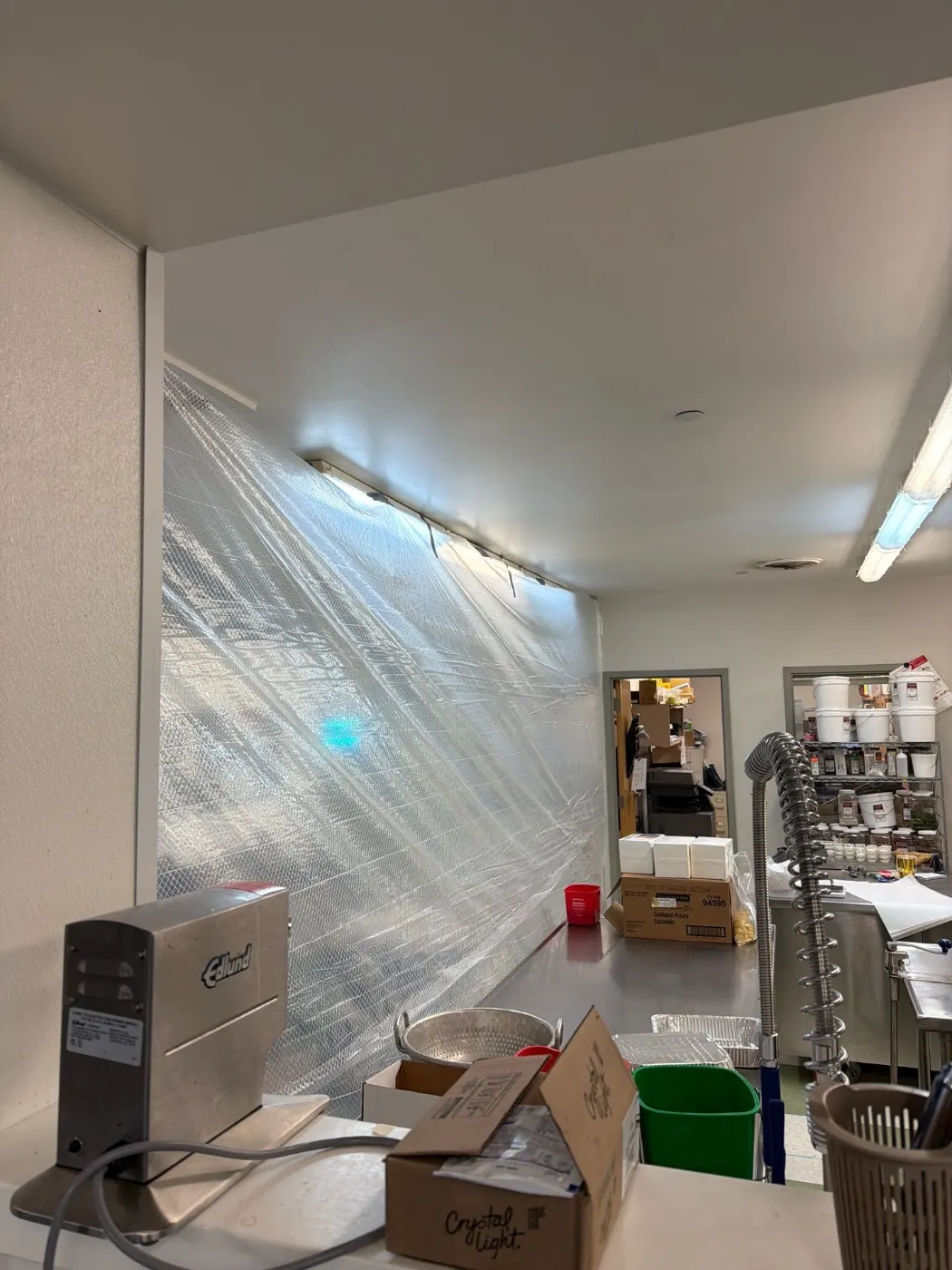
Basement Flooding in Seymour, IN
Basement water in Seymour dried to readings that match unaffected material in the same house, then rebuilt to the scope you approve.
When Seymour homeowners need Basement Flooding, Seymour Water Restoration responds 24/7 with certified technicians, fast equipment deployment, and claim ready documentation. Call (812) 515-1567 for immediate dispatch.
- Service: Basement Flooding for Seymour homeowners
- Service area: Seymour, IN and surrounding areas
- Response time: 24/7 live dispatch; emergency crews prioritized for Seymour
- Licensed and insured (License #RC21100059)
- Serving Seymour, IN since 2018
Basement Flooding Cleanup in Seymour
If your basement in Seymour has water in it, we'll pump it out and dry the space to a measured standard.
Basements Here
Plenty of Seymour homes went up between the 1940s and the 1990s, and full basements are common in the older homes. Crawl spaces are common in parts of Seymour too.
Where the Water Comes From
Homes near the White River and the East Fork White River face added flood risk after heavy rain. In heavy storms, sewer water can also back up through floor drains, and that turns the job into sewage cleanup.
Our crews work all over Seymour, from Freeman Field / North Seymour to the streets near Crossroads Community Park and the Schneck Medical Center. We also clean up flooded basements in Austin, Scottsburg, Columbus and North Vernon.
Expert Basement Flooding for Seymour Homeowners
Your sump pump either quit or got outrun, and now the pit's at the rim and water's spreading across the slab in your Seymour basement. Both failures look identical from the top of the stairs, and both put the same water into the same materials. Seymour Water Restoration dispatches a crew within two hours to extract, identify which one you're dealing with, and build the drying plan around what the meters find.
Basements dry differently from the rest of a house, and Seymour Water Restoration plans for that in Seymour. Concrete, block and mortar give up water slowly, so drying a basement takes more dehumidifier capacity and more days than the same square footage upstairs. The crew reads the slab, the bottom plate and the walls each day, and the equipment stays until those numbers reach the dry target.
Carpet and pad get decided on the first Seymour Water Restoration visit to a basement. Pad holds water like a sponge and almost always goes out. Carpet can sometimes stay on a clean water loss when extraction happens fast and the backing's still sound, and it comes out when the water was contaminated or it sat long enough to delaminate from the backing. The call gets photographed either way.
Check your policy for water backup and sump overflow coverage, and look at the limit listed next to it. Finished basements can cost more to put back than people expect, so it helps to know what your policy says early. Seymour Water Restoration documents the loss in your Seymour basement completely and walks you through it, and the coverage decision stays with your insurance company.
Bring your questions when you call Seymour Water Restoration at (812) 515-1567. The crew can explain what the first visit involves and how the documentation fits an insurance claim, and every step gets explained in plain terms before anything is cut open in your Seymour home.
Signs You Need Basement Flooding Cleanup
If you notice any of these in your Seymour home, schedule a free inspection before the issue worsens.
The dehumidifier bucket filling far faster than it used to
Water beading up through the saw cuts or control joints in your Seymour slab after heavy rain
Carpet tack strip rusting, with the pad underneath breaking apart when you lift a corner
Water rising around the floor drain cover, or the drain taking laundry water slowly
Water pooled around the washer in your Seymour basement after a hose split or a standpipe overflow
Sump pit filling quickly days after the rain stopped, with the ground outside still soaked
Your water heater is leaking at the base, with water spreading across the Seymour basement floor
The breaker feeding your Seymour sump pump has tripped and the pit is filling
Cardboard boxes gone soft at the bottom corners, or collapsing when you pick them up
The sump pump in your Seymour home hums but no water moves up the discharge pipe
How Seymour Water Restoration Handles Basement Flooding
We follow these steps in order on every Seymour job.
Stopping the Inflow
Before your Seymour basement can dry, the water has to stop coming in. The crew shuts off a failed supply line or sets a temporary pump where groundwater is still rising, then photographs the entry point for the trade that makes the repair.
Water Classification
The crew assigns a water category in your Seymour home from the source and from the hours the water has sat, and the category sets the protective gear and which materials come out. Sewage is Category 3 and gets handled as a sewage cleanup.
Wall Cavity Drying
Small holes behind the baseboard let conditioned air flow into the stud bays of a finished wall in your Seymour home. That pulls moisture off the back of the drywall and out of the framing, so more of the wall can stay in place.
Upstairs Moisture Check
The crew closes off the stairway and reads the first floor walls above the basement of your Seymour home, along with the underside of the floor. Those readings show whether humidity moved up and keep the drying confined to the basement.
Records Handoff
You receive the photo report, the moisture map, the daily logs and the equipment record for your Seymour basement in one file. The crew goes through it with you and answers questions about any line, so you can use it with your insurance company.
Basement Flooding in Seymour
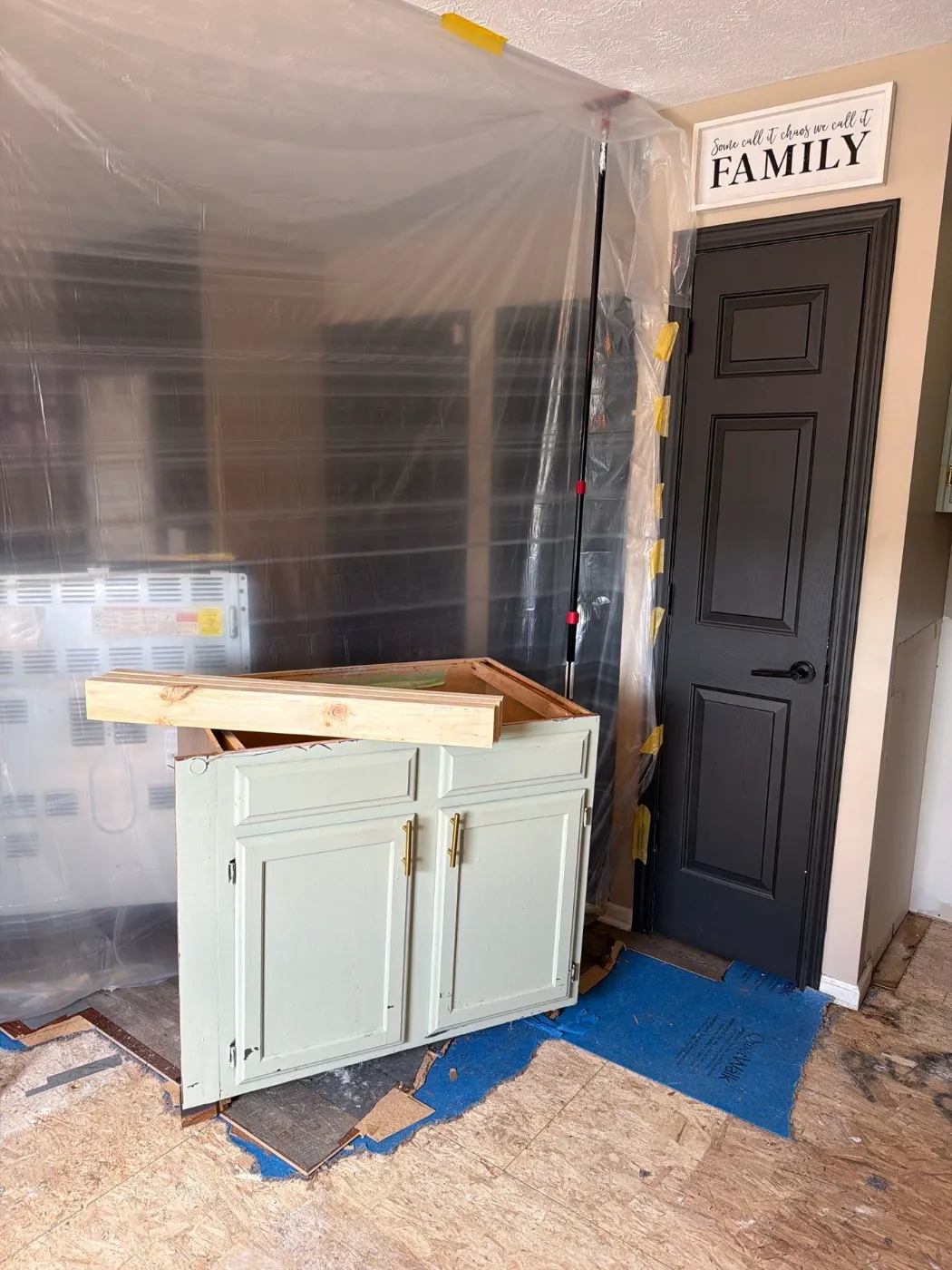
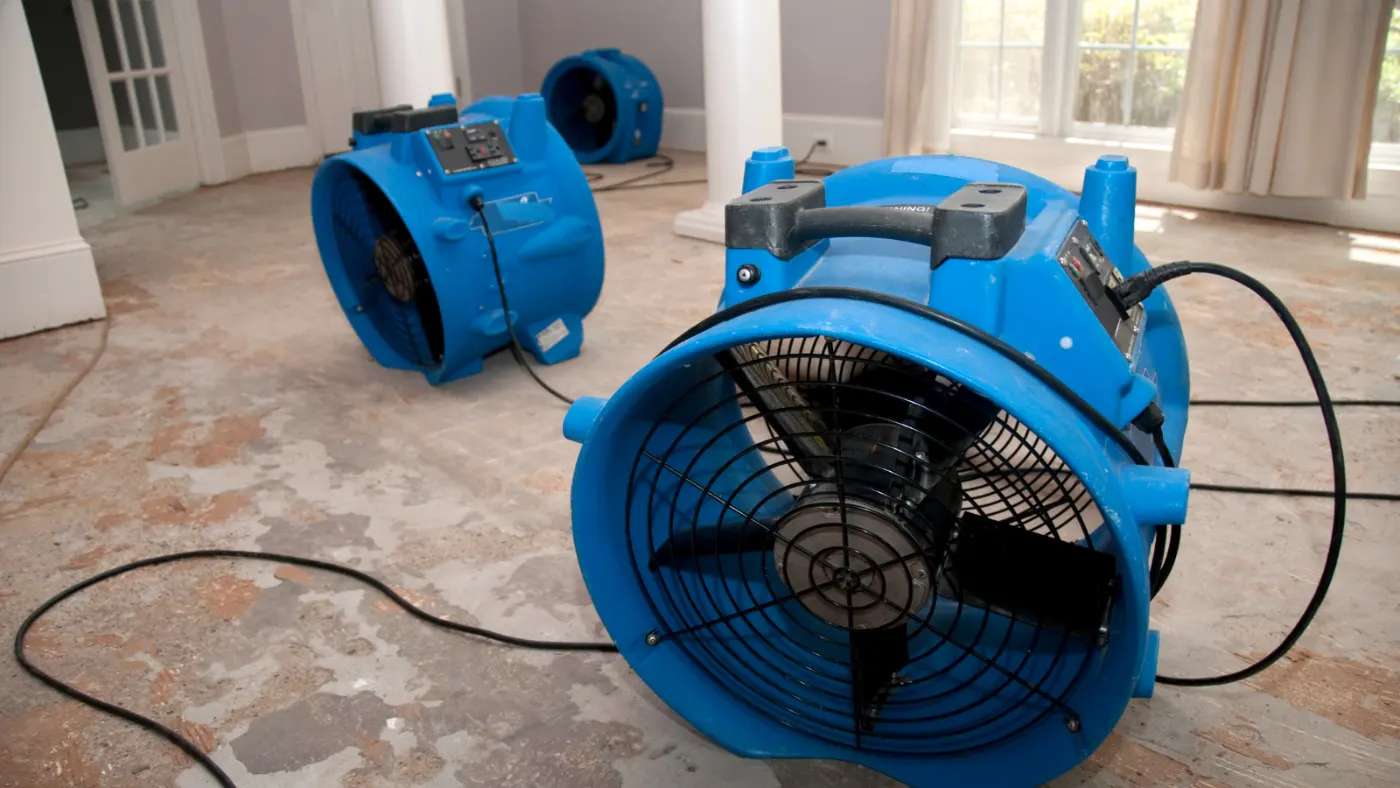
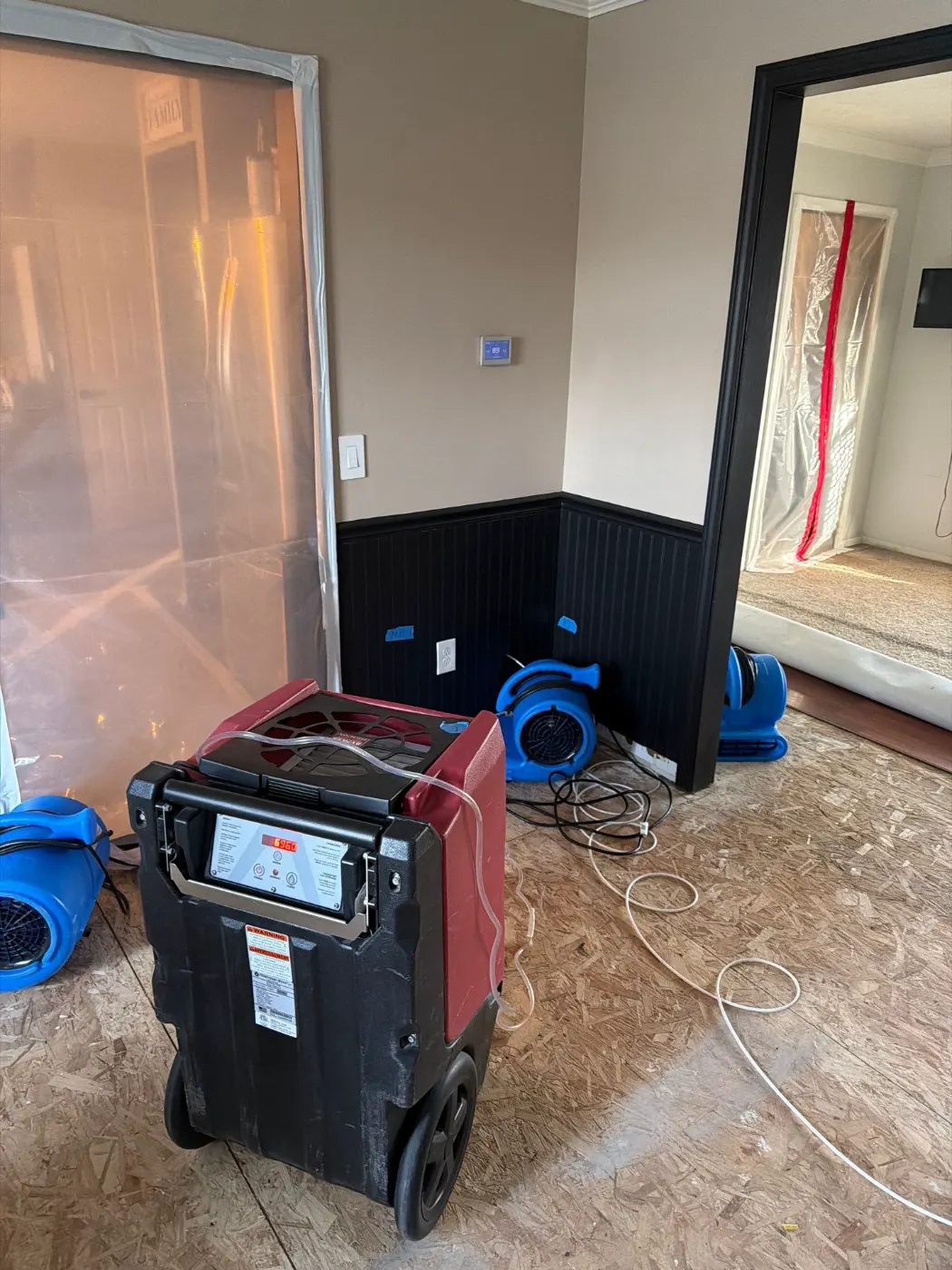
Photographs from real basement flooding jobs completed by our crew in Seymour and surrounding areas.

Basement Flooding FAQ
Questions Seymour homeowners ask us about basement flooding cleanup.
Guidance and Standards for Basement Flooding
- EPA advises drying water damaged areas and items within 24 to 48 hours to prevent mold growth. EPA: A Brief Guide to Mold, Moisture and Your Home
- Ready.gov notes that homeowners insurance policies don’t cover flooding, so check what your own policy says. Ready.gov: Floods
Seymour Neighborhoods We Serve
We take basement flooding calls in every part of Seymour. Pick your neighborhood for local details.
Other Restoration Services in Seymour
Seymour Water Restoration handles the full scope of restoration work. Explore our other services below.
Water Damage Restoration in Seymour
24/7 emergency response. IICRC certified water restoration from extraction to full dry out.
Learn more →Sewage Cleanup in Seymour
Category 3 biohazard cleanup. Full containment, decontamination, structural restoration.
Learn more →Storm Damage in Seymour
Storm related water emergencies. Tarping, extraction, drying, and full restoration.
Learn more →Request Basement Flooding Cleanup
Reach Us Directly
Our team is available 24/7 for emergencies and ready to schedule inspections during business hours.
Need Immediate Help?
For active water or mold emergencies, call us directly. We are available 24/7.